SIRTF IRAC Test Data Using IRAC PSFs
(updated June 24, 2001)
Our understanding of the SSC IRAC pipeline products was mainly taken from
the IRAC Pipeline Requirements Document v1.0
(Feb 24, 2001) and the
SPIE paper by Hora et al.,
"Calibration and Performance of IRAC".
As our knowledge
increases, we will refine our test data.
We assume one channel's worth of data per exposure (excluding the raw & intermediate calibration
files) are the following:
1) a calibrated image file (which includes cosmic rays, bad pixels, saturated
pixels and banding effects)
2) photometric error image
3) bad pixel mask
4) data quality mask
5) ghost image (crosstalk between channels 3 & 4)
6) cosmic ray mask
7) latent image
8) latent image mask
IRAC PSF images for each band were provided by Susan Stolovy at SSC using the
"stiny" program written by John Krist at HST. These images are 148x148 pixels and describe
the stellar point-spread-function (PSF) for each channel. We scaled and copied these
PSF images into a larger 512x512 image in a semi-random fashion. Four images were
created to simulate the 4 IRAC bands. Since two bands view the same field at once,
two of the images have the same stellar positions, though with different fluxes.
A fits header was added to these images.
IRAC-sized images (256x256) were extracted from these fields. Extractions of
different positions and orientations simulate the
revisit .
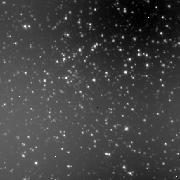
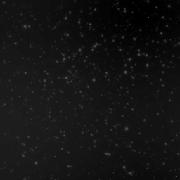
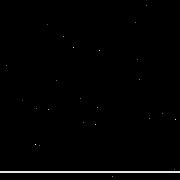
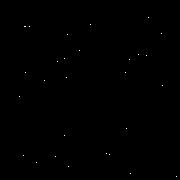
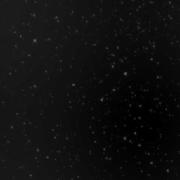
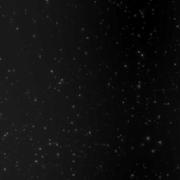
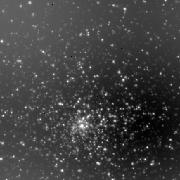
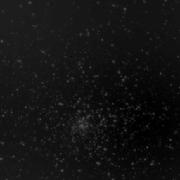
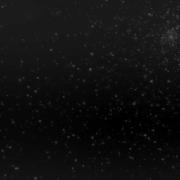
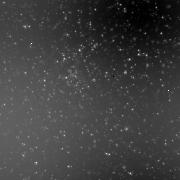
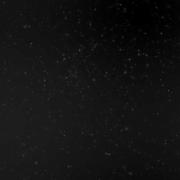
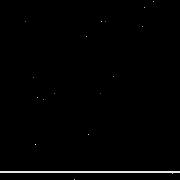
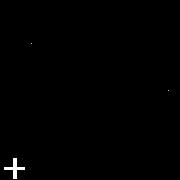
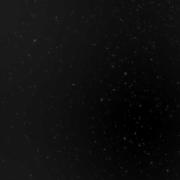
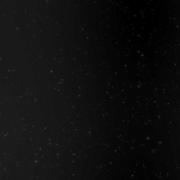
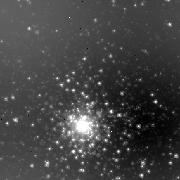
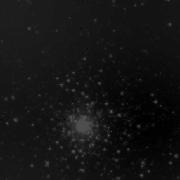
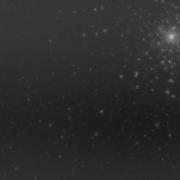
We added non-uniform
background, noise, bad pixels, etc. and produced the series of images shown below.
Click on the picture or title to
get more information about how each image was created.
Visit 1, Channel 1 Data (3.6 microns)
Visit 1, Channel 2 Data (4.5 microns)
Visit 1, Channel 3 Data (5.8 microns)
Visit 1, Channel 4 Data (8.0 microns)