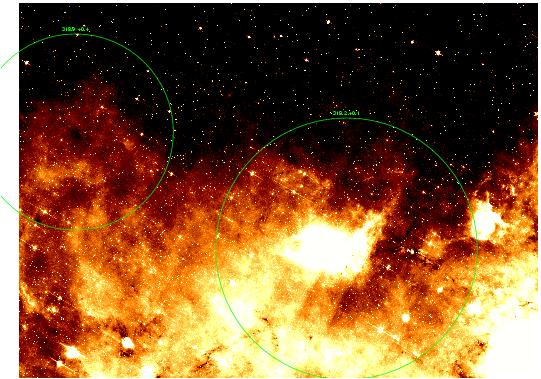
Figure 1.2 three IRAC color image. (NE part of this image, orange color is the HII region+SNR)
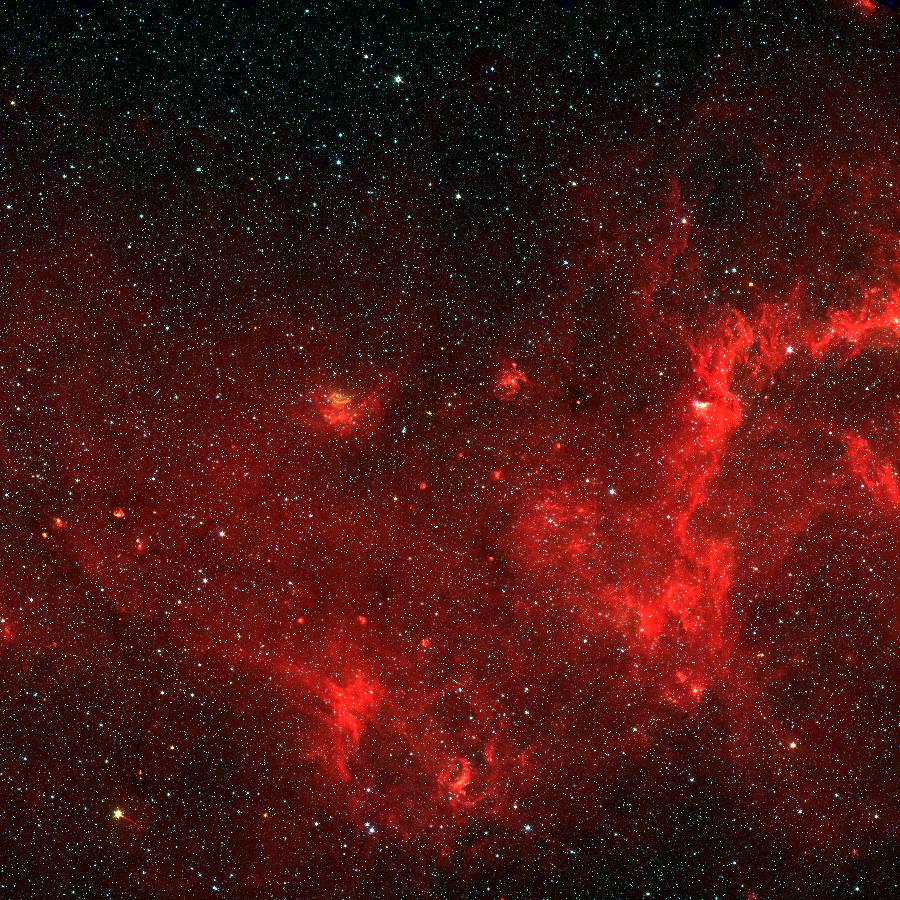
Supernova remnants in the GLIMPSE Survey
Searching for IR emission from known supernova remnants.
Here I searched for SNRs using G306-G320 data.
The circles are known SNRs with right size; here you can get
SNR region file (ds9 format)
I,. G318.2+0.1: bright central emission (HII region?) is very bright
(shown below) but the southern shell looks related to
the radio shell. (THIS NEED TO BE OVERLAPPED WITH RADIO, Whiteoak
and Green 1997; MOST web site).
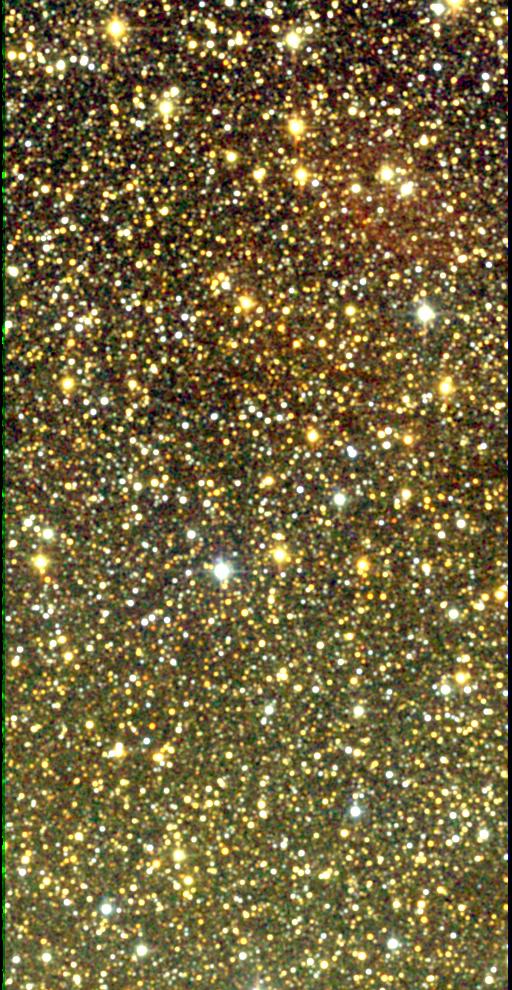
2MASS detected the central part .
In the eastern boundary with SNR, there is another compact HII region-like
object.
Figure 1.1. IRAC ch4 image
Figure 1.2 three IRAC color image. (NE part of this image, orange color
is the HII region+SNR)
Fig. 1.3. Zoom version of ch4.
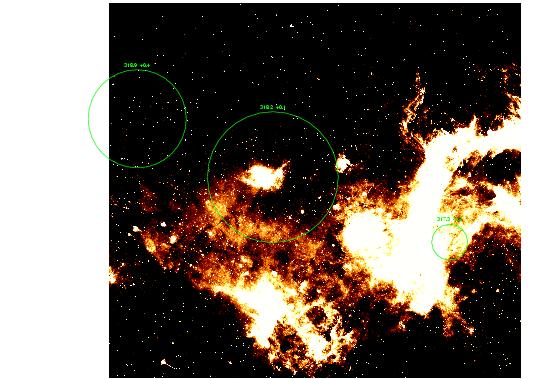
Figure 1.4 2MASS image of this SNR (you can see central arc emission
as red-Ks emission)
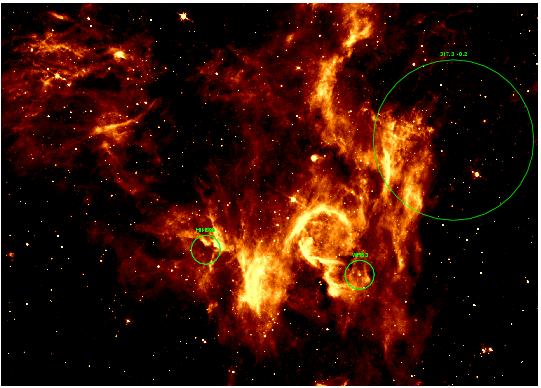
II. G317.3-0.2
Fig. 2.1.
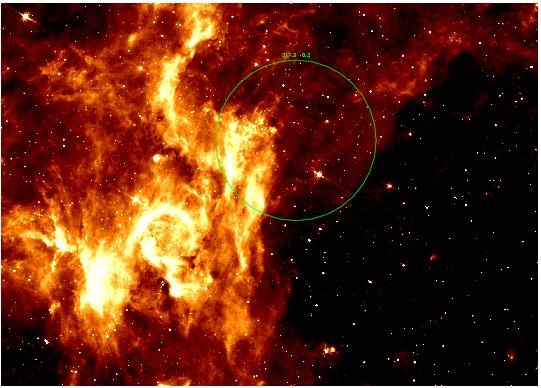
Figure 2.2. WR star and B9 star HII region star. (Two sources are marked
in the south of SNR, WR63 and B9 star HII reigon of
G317.6-0.363, which size is not correctly marked).
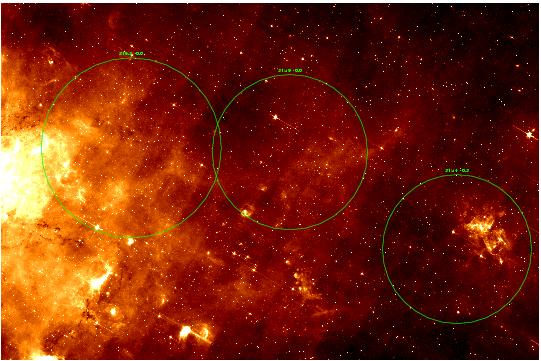
III. G316.3-0.0, G315.9-0.0, G315.4-0.3 SNRs (left to right).
G315.4-0.3 detected IR emission which structure is corresponding to
the radio structure; this SNR is
also clamied to have IRAS emission (Arent 1989)
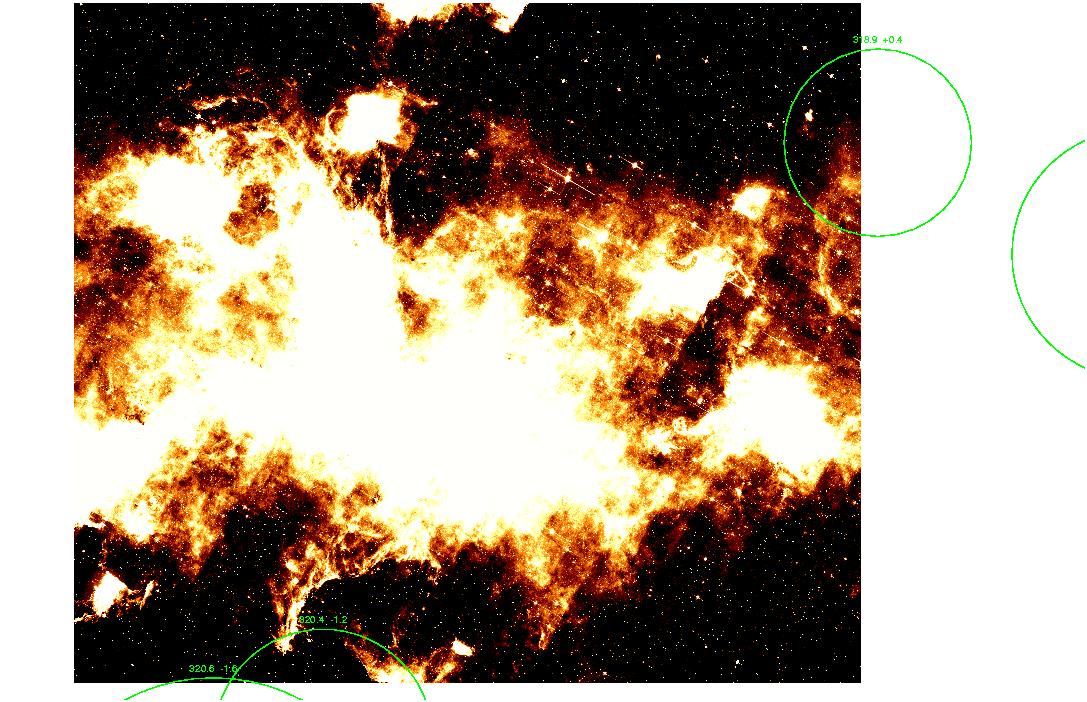
IV. G320 SNR
North part of G320.6-1.8; [2] only north part is detected.
Eastern part of G318.9; 0.4; 3; not clear
Are there more new SNR?
V.
G310.6-0.4 : a
lot of emission, western shell is may be coninciding. [1] (detail radio
comparison will be helpful, Fig 8 in WhiteOak & Green 1996.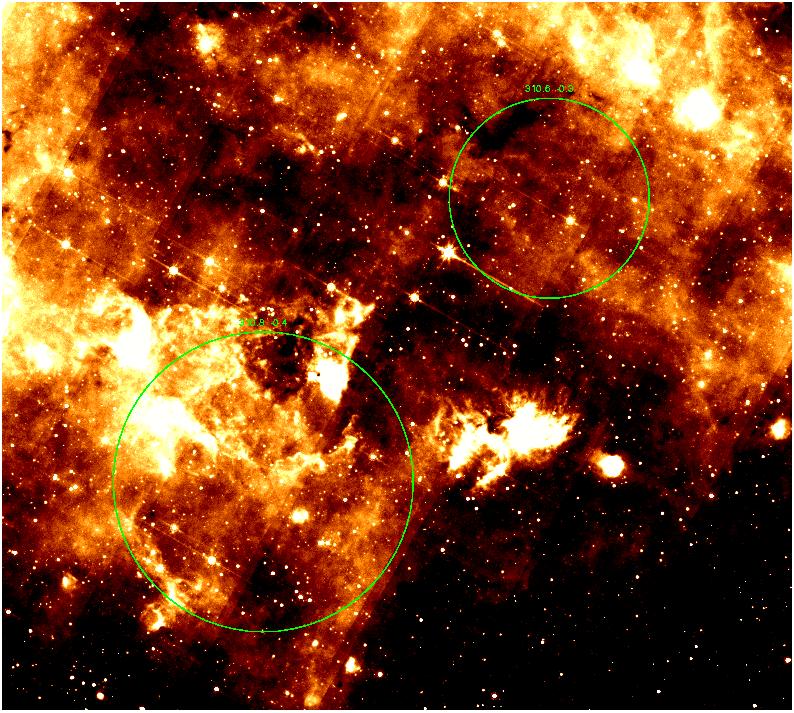
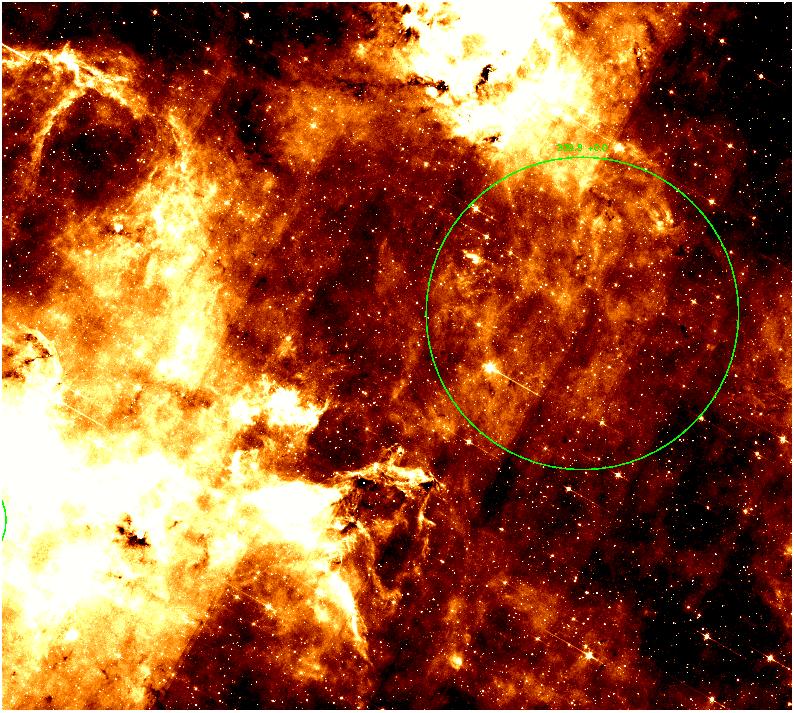
V. G309.8+0.0; [2], possibly shell emission
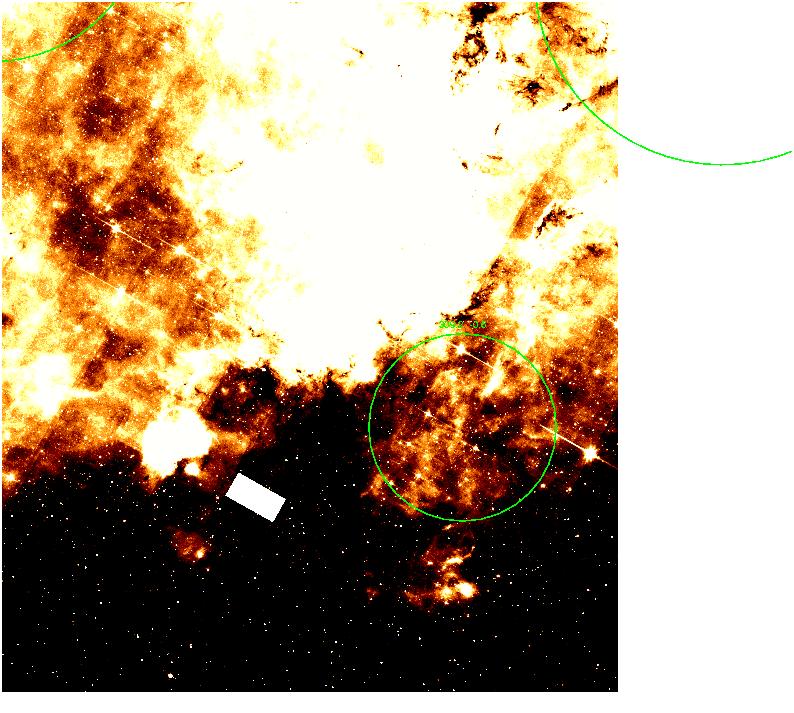
VI. G309.2-0.6 [2]: some emission, but not clear if this is related to SNR.
VII. G312.4-0.4 :Grade3 (faint
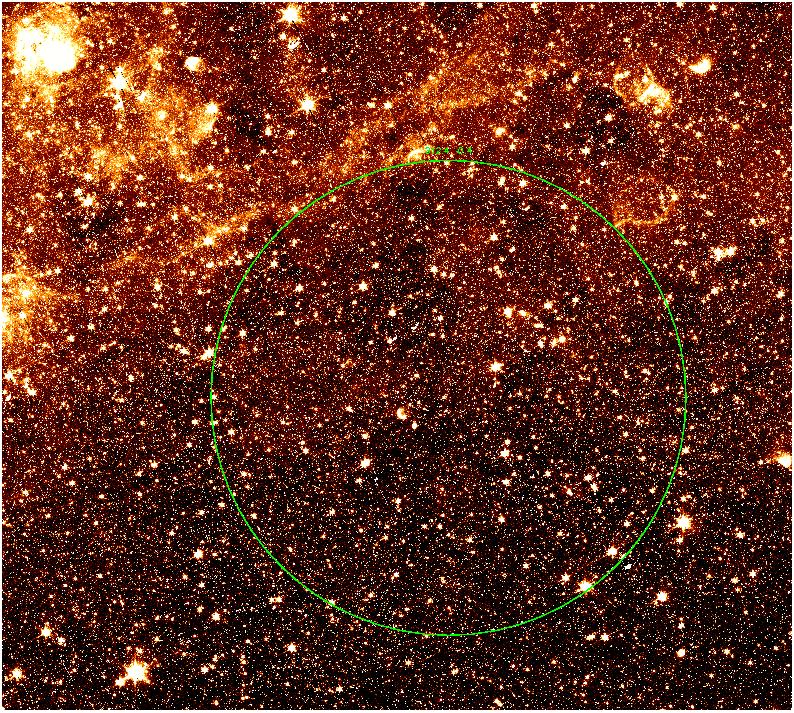
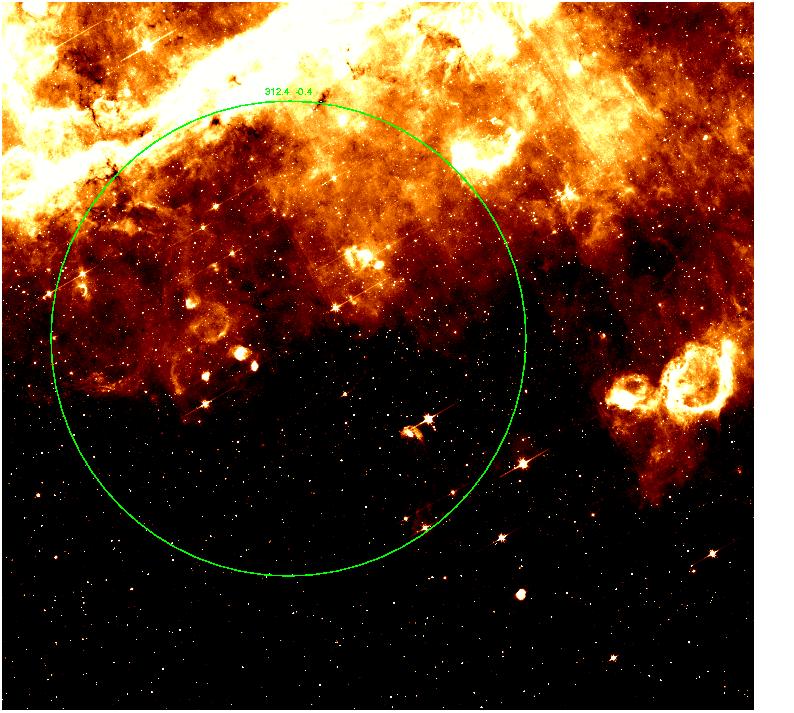
VIII. G311.5-0.3 [0] ;clear shell
emission
This is channel2 map
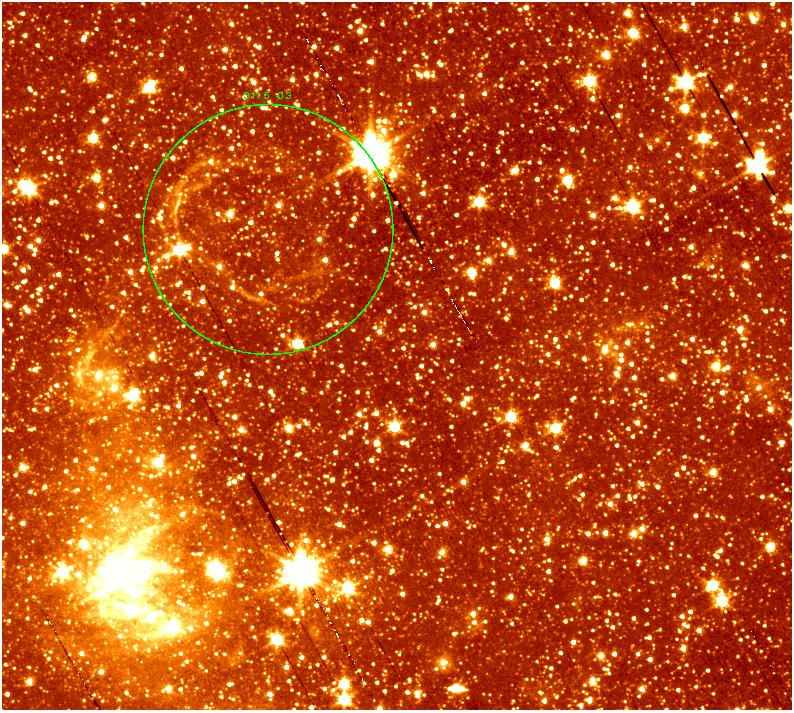
Three color image (green shell emission is G311.5-0.3).
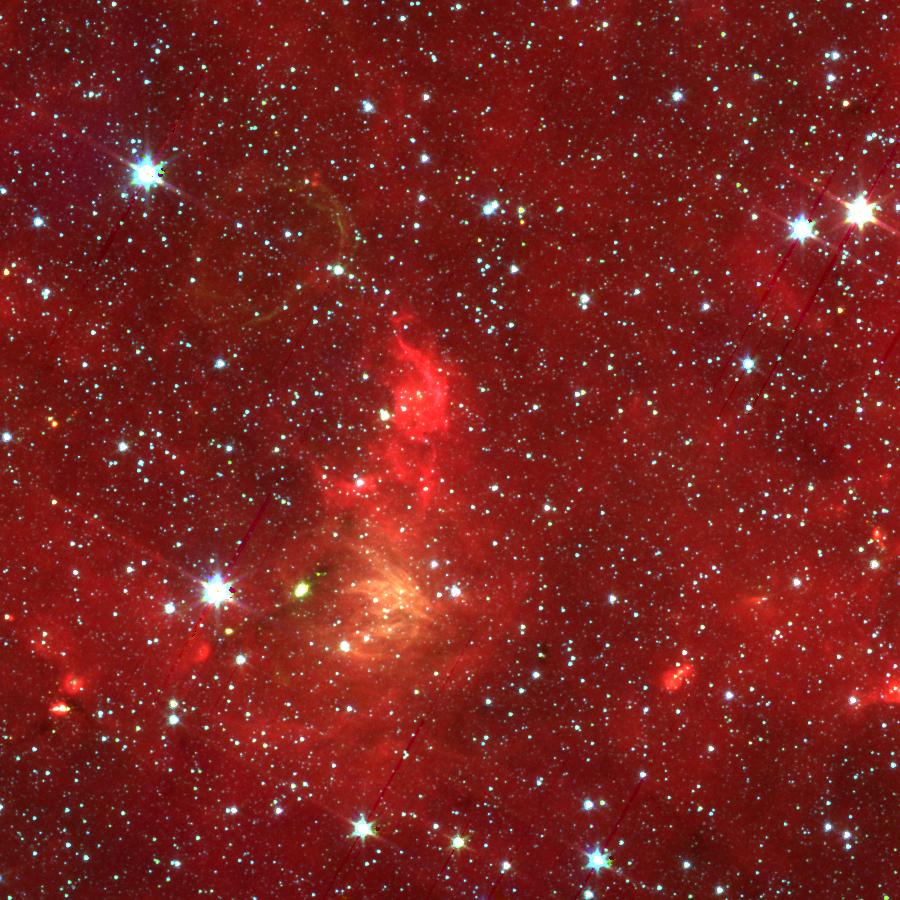
The southern organ objects are 14h01m56.24s Dec = -61d49m11.1s
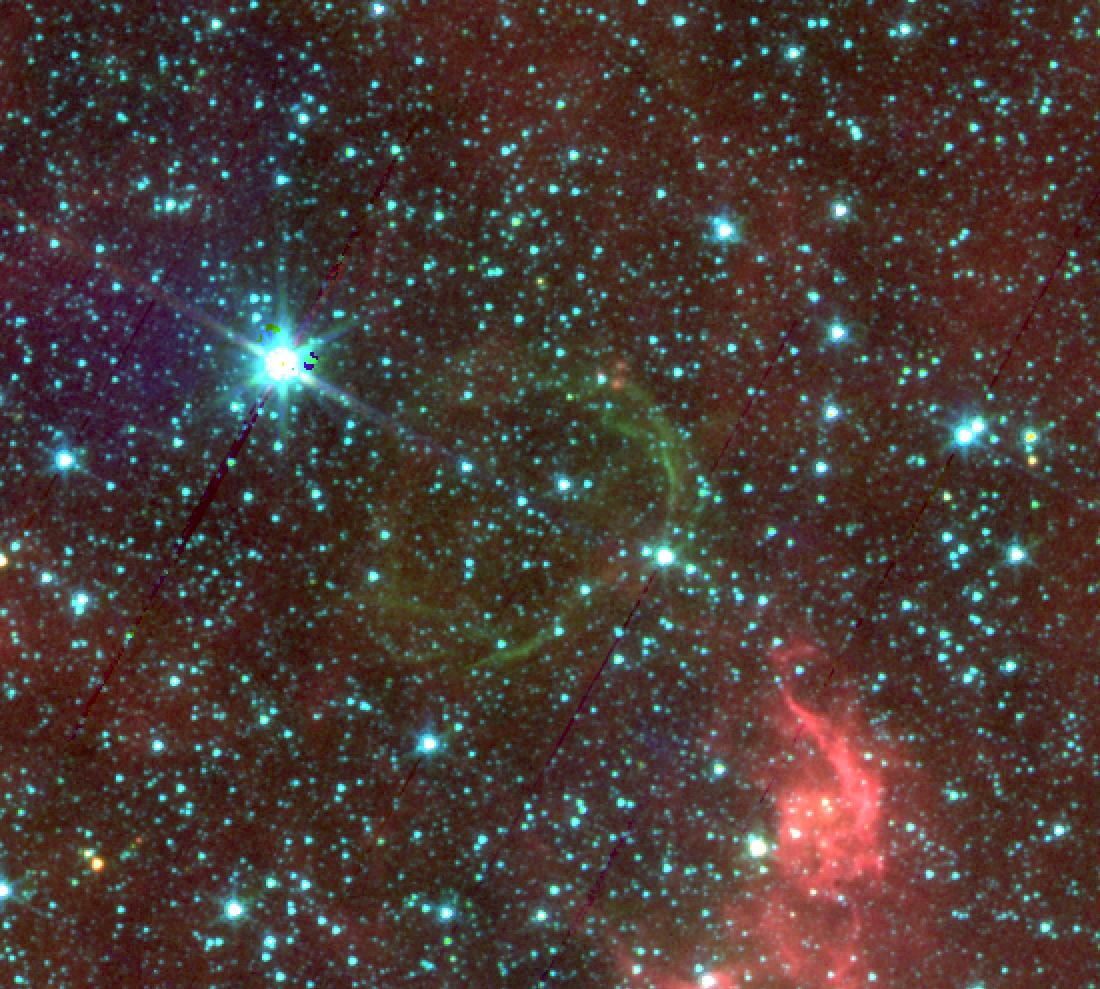
This is the best image of G311.5-0.3 (new IR discovery)
Conclusion
1. I found a few promising case
of SNR of IR detection.
1) G311.5-0.3: Obvious shell emission
2) Kes20 A and B (G310.6-0.3/G310.8-0.4)
3) G315.4-0.3: interior bright
spot matches with the radio.
4) G318.2+0.1; some of emission
is likely SNR, but needs to sort out from the HII region located within
the SNR.
2. For a few regions, SNR/HII region
area study will be good. (study the objects within 30arcmin -1 degree area,
for SNR, HII regions anddark globules).
3. There are other SNRs (5 or so)
which show infrared emission, but at this point, it is not clear if the
IR emission is related to
the SNRs or not. One needs to overlay
with radio map to figure out.
Future works.
1) I will overlay with radio maps
for the 4 SNRs mentioned in the conclusion.